
Reframing "Data Rich"
Dominant narratives label under-resourced regions as “data rich” to signal strategic importance and promise a path out of poverty, but in practice this reinforces colonial dynamics, extracting value while excluding the Global Majority from meaningful economic participation. Alix reframes “data rich” with Karen Hao, showing how the concept preemptively subjugates these economies.

KAREN HAO – DATA RICH
Karen Hao is a bestselling author and award-winning reporter covering artificial intelligence. She was the first journalist to profile OpenAI and wrote a book, EMPIRE OF AI, about the company and the AI industry.
In this interview, Hao argues that framing Global South countries as “data rich” reinforces colonial dynamics by enabling the extraction of data, minerals, and labor, thereby facilitating increased inequality and exploitation. Hao shows how tech giants are using historical empire playbooks to promote a resource-intensive model for AI development – a model, she says, that the Global South should reject. She cautions against the emerging model of corporations “taking the data and trying to sell it back” to communities. Instead, she highlights examples of specialized, small-scale AI projects that better care for local data, and prioritize community needs, cultural preservation, sovereignty, and public interest over extraction.

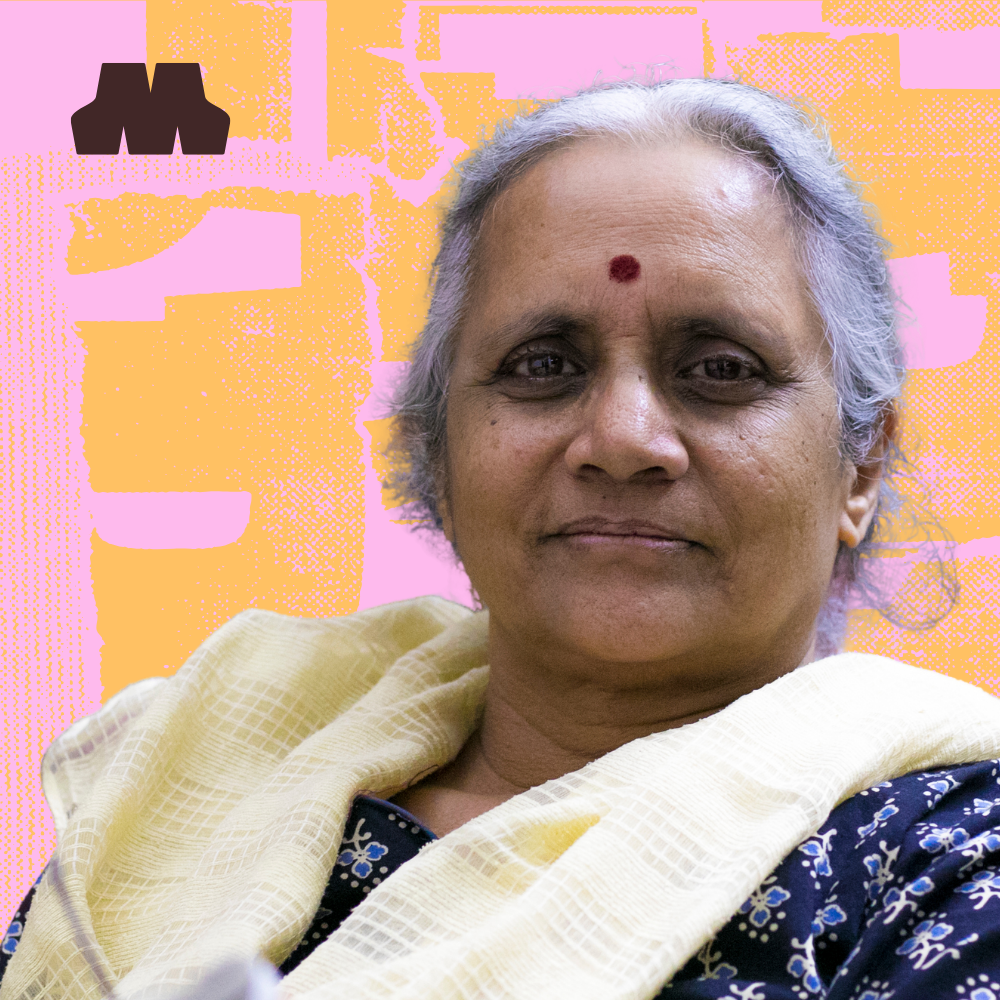


"Wealthy countries get to come into poorer countries and do whatever they want, extract whatever data, minerals, and labor they want, to get even richer. It’s just repeating history under the guise of technology that's supposed to level the playing field globally."